
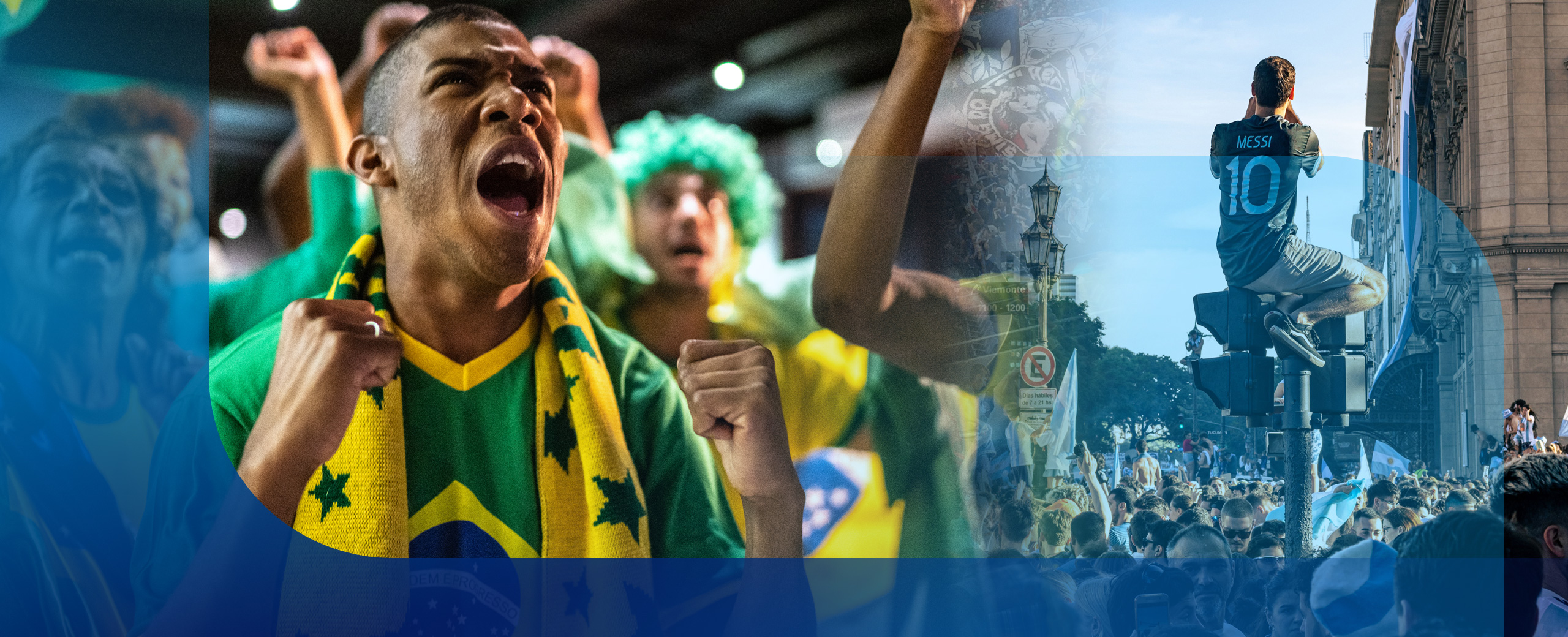
The Spain-Argentina FIFA World Cup Final drew 62.8 million viewers across Fox and Telemundo, the largest television audience for anything outside the NFL and breaking news since the Seinfeld finale in 1998. Of that audience, roughly 36% watched on Telemundo, and one in five of those viewers identified English as their primary language. For brands serious about World Cup advertising effectiveness, the audience complexity alone changed the planning calculus.
For brands, that scale created an opportunity that may not exist again for years. It also created a problem.
The Inventory Problem Nobody Plans For
A broadcast of this size compresses available ad inventory in ways that change the math on creative performance. Hydration breaks, the two-minute-ten-second pauses mandated by FIFA during play, are the primary ad delivery mechanism in a soccer broadcast. There are no commercial timeouts, no two-minute warnings, no pitching changes. Brands get a fixed number of short windows, shared across a fixed number of spots, in a broadcast where the audience would rather be watching the game.
That context changes what creative has to do. The ad that requires the most from the viewer is the ad most likely to lose them. The margin for creative decisions that don’t immediately pay off is close to zero. This is the environment MarketCast measured across the World Cup Final. The findings reveal something more specific than which ads performed well. They reveal why, and the patterns transfer.
MarketCast Brand Effect measured ad breakthrough across the Final’s full broadcast. These are the top 15.*
| Rank | Brand | Ad Title | Ad Breakthrough* |
|---|---|---|---|
| 1 | Red Bull Energy Drink | Roadrunner | +19 pts |
| 2 | Arby’s Restaurants | Angus Cheesesteak | +18 pts |
| 2 | Head & Shoulders Haircare | Clear Your Head | +18 pts |
| 4 | Quaker Oats Foods | Greatness Happens | +17 pts |
| 5 | Michelob Beer | Futbol for the Ultra | +11 pts |
| 6 | Nutella Hazelnut Spread | Nutella Peanut | +10 pts |
| 7 | Home Depot | Build It Like Beckham | +9 pts |
| 8 | Lay’s Potato Chips | Bandwagon | +8 pts |
| 8 | QuickBooks | Tooth Fairy | +8 pts |
| 8 | SoFi Online Financial | Level Up | +8 pts |
| 8 | Uber Rideshare Service | Grandmother Mary | +8 pts |
| 12 | Coca-Cola Beverages | Unbridled Joy | +7 pts |
| 12 | Ferrero Rocher Chocolates | Celebrate the Moment | +7 pts |
| 12 | Kalshi Inc | Make Predictions | +7 pts |
| 15 | Nike Apparel & Shoes | One brick at a time | +5 pts |
How Brands Earned Attention: World Cup Advertising Effectiveness in Practice
The top performers on the Final leaderboard span categories, budget levels, and creative approaches. What connects them is that each found a specific and deliberate way to earn attention in a compressed window.
Some brands let long-term asset investment do the work.
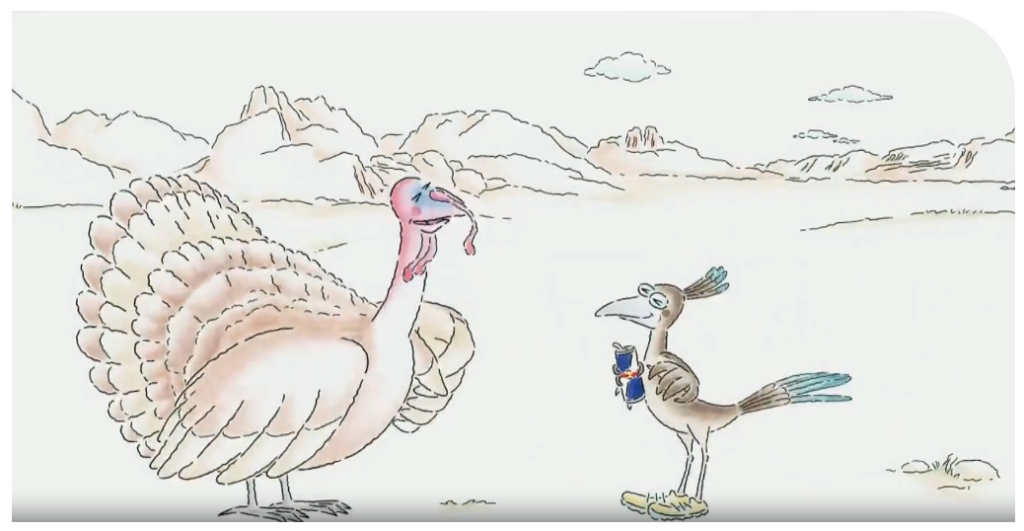
Red Bull’s animated spot, a Roadrunner cartoon built around a thirty-year tagline, was the highest-performing ad in the entire broadcast. It contains no soccer content, no celebrities, and almost certainly a fraction of the production budget of the ads surrounding it. Three decades of consistent creative built the recognition that made thirty seconds of cartoon pay off on the biggest stage in American sports television.
Arby’s accomplished the same thing in fifteen seconds. That narrator voice is one of the most recognizable sonic signatures in American advertising. Brand identification arrived before a single image registered.
Other brands earned belonging through soccer.
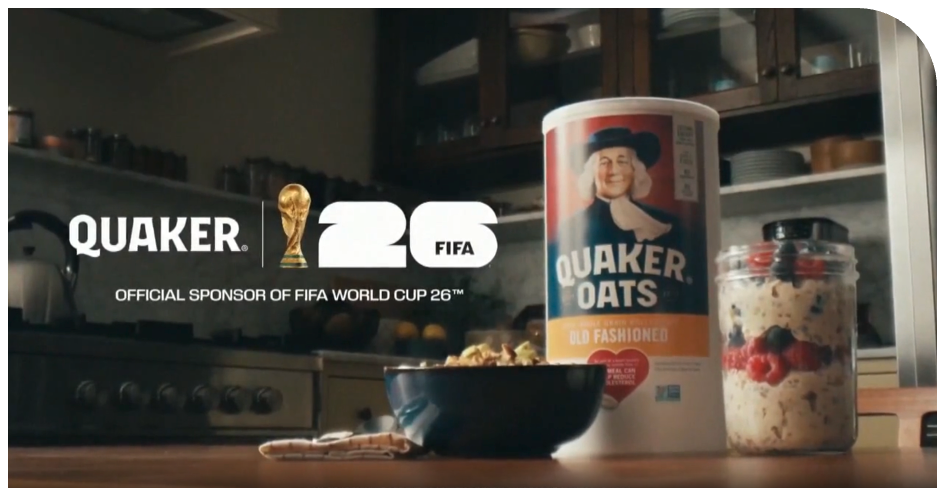
Some brands arrived with proof of commitment already in hand. Quaker, an official FIFA sponsor, opened on kids eating oats, cut to a soccer field, and let the Ramones’ “Blitzkrieg Bop” carry the energy. The rapid-fire cuts and eye-level camera angles gave the spot an immediacy that required no setup. The sponsorship gave it legitimacy. Together they told a passionate audience that this brand had invested in the sport they love.
Head & Shoulders built its creative around a soccer-specific problem, a player missing a header because his hair was in his eyes, and cast Diego Luna, a Mexican actor with genuine cultural standing across Latin American and American audiences, to deliver the solution. The brand earned its belonging through cultural fluency. An MLS sponsorship logo on the end card added a layer of proof that the commitment extended beyond a single ad.
The message to the audience, whether delivered through an official designation or a well-observed creative idea, is the same: I understand why this sport matters to you.
Others built around creative clarity and emotional specificity.
Not every brand on this leaderboard built its creative around soccer. Several of the strongest executions drew on something more fundamental: a clear creative idea, executed with enough precision that the audience didn’t need soccer to connect to it.
QuickBooks built its spot around a Tooth Fairy who is bad at her job because she doesn’t have QuickBooks. The ad opens on children discovering uncollected teeth under their pillows, all of them screaming, specific and strange enough to stop a distracted viewer cold. Every parent has forgotten at least once. That shared recognition creates the hook.
SoFi opened on its logo, large and unavoidable on a set of elevator doors before they even parted. What followed mapped financial product features onto floor buttons, a visual metaphor clean enough to follow without close attention. The brand connection was established before the metaphor began.
Uber told the story of a new mother, spilled breast milk, a chain of women helping each other, and a grandmother arriving just in time. The exhaustion on the mother’s face, the arrival of family: images that landed with genuine force for a significant portion of the audience. Emotional specificity, handled without sentimentality, can hold attention in even the most crowded broadcast environment.
World Cup Advertising Effectiveness Beyond the Final
MLS has already signaled its intention to capture this audience with its “Thanks World, We’ll Take It From Here” campaign. European leagues are seeing American interest in players like Erling Haaland accelerate in real time, with social followings growing visibly throughout the tournament. The audience that found soccer on a Sunday afternoon in July has places to go and reasons to stay.
The brands that built creative reflecting that understanding are better positioned for what follows. Knowing which of those bets paid off, which creative properties drove genuine engagement, and which audiences responded most strongly is what turns a single campaign into a longer-term strategy.
That is what measurement makes possible. Not just a score. A direction.
MarketCast’s World Cup Advertising and Sponsorship Report
We’re connecting ad performance and sponsorship effectiveness across the full tournament in a single, comprehensive analysis. Learn more about how you can use this insight to direct your decisions.
* This analysis covers English-language advertisements only.