
The top ads of July 2026 demonstrate what happens when emotional specificity, structural humor, and context alignment converge, sometimes all three in one execution, sometimes one or two.
Every score referenced in this breakdown is an Ad Breakthrough score, MarketCast’s most defining measure of ad performance. It’s the percentage of all ad viewers who remember both the ad’s content and the advertised brand: Ad Memorability multiplied by Brand Linkage. A high score means the creative didn’t just break through, it stuck to the right name. That’s the bar every brand should strive for.
View the full leaderboard for July’s top ads here.
Top ads make the laugh and the sell the same thing
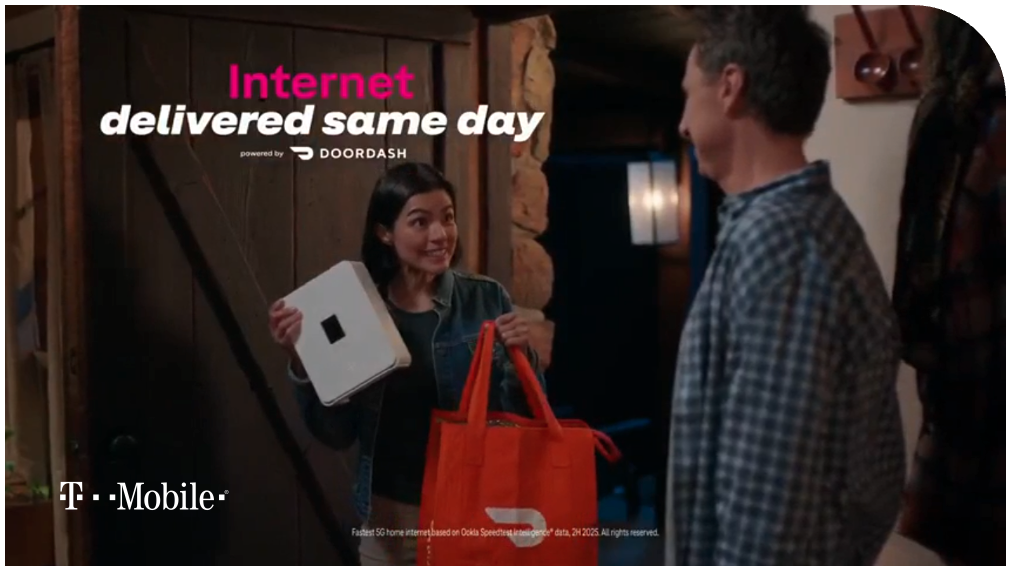
T-Mobile and DoorDash’s “Cabin Delivery” ad borrows nine seasons of Zach Braff and Donald Faison’s Scrubs friendship equity and comedic timing. They build a comedic story around a spooky cabin, two knocks at the door, and T-Mobile same-day home delivery. You cannot retell the joke without explaining what showed up and why.
Domino’s “Best Deal Ever” ad puts its actual employees, including the CFO on camera, in his real office, visibly uncomfortable that the $9.99 Best Deal Ever now includes Parmesan Stuffed Crust. Corporate discomfort as a price credibility argument. The scene becomes the number.
Panera’s “Pass That Panera” ad casts TikTok creator Jake Shane, lets him be exactly himself, and builds the joke entirely around the $4.99 Mix & Match menu and his sense of entitlement. His deadpan lands because it’s authentically him and the price lands because the joke is part of it.
In lower-scoring executions, humor arrives around the product message. Viewers remember the joke and lose the brand. When the joke requires the product to land, brand recall is a byproduct of entertainment, not a separate task the ad has to complete.
Emotion as a creative mover
Kohl’s “Back to School: Eye Contact” ad scored 17 points above norm on Linear. Parents at school drop-off watch their teenagers walk in confidently in their new school clothes. Acknowledging the awkward social contract between parents and teenagers, Kohl’s relies on Nike gear and brand to resolve the tension. The product becomes the savior.
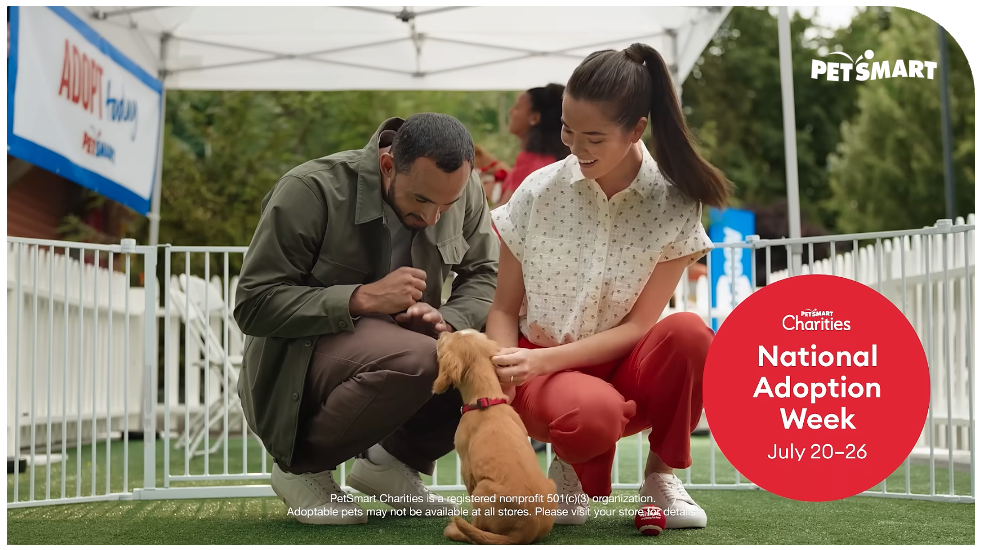
PetSmart Charities’ “National Adoption Week” ad reaches its 18-point score because the emotional driver is the adoption event itself. A couple walks in, pets a puppy, and the moment communicates PetSmart’s commitment to its customers. These animals need homes. Anyone at an adoption event knows that, feels that, and the brand gets the full weight of that goodwill. That’s a categorically different emotional position than a retail promotion.
AbbVie/Skyrizi’s “In the Picture” ad opens on a man looking at a family photo he’s not in. One image makes an invisible disease visually legible. What follows is a happy, active life across roller coasters, ropes courses, zip lines, that shows exactly what the drug makes possible without stating it once.
Precisely observed human moments produce these scores. Every brand on the July leaderboard scoring above 15 points is operating at that level of specificity.
Media context is a creative variable in top ads
Three of the highest scores in the top ads of July 2026 leaned into the World Cup moment: McDonald’s at 27 points, Nike at 17, FanDuel at 14. These ads didn’t necessarily run only during match coverage. The moment itself was the variable. Soccer was everywhere in July, and audiences arrived at whatever they were watching already emotionally invested.
That emotional momentum carries. Viewers who spent an afternoon invested in a match don’t reset when the content changes. The ads that leaned into the moment found audiences more receptive, more engaged, and more likely to feel what the creative was asking them to feel.
McDonald’s “Be Quick” ad works because soccer star Christian Pulisic’s odd layering of fries inside his burger reads as genuine, not performed, and his friend Santiago Jiménez’s wordless reaction shot validates it. That behavioral authenticity is persuasive on its own and in a July defined by World Cup fever, it lands even harder.
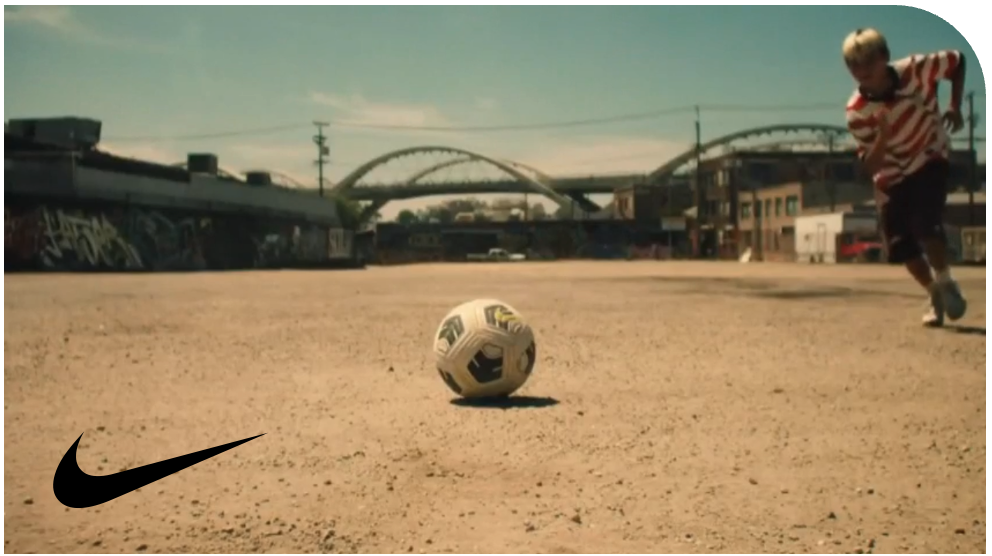
Nike’s “He Is” ad opens by naming the audience’s skepticism about US soccer before arguing against it. A boy practices alone against a wall as Roy Orbison’s “In Dreams” plays. The ad focuses on the emotion of soccer, not the soccer apparel or ball. On a 65-inch screen in a quiet living room, it functions as a short film connected to the moment.
FanDuel’s “Super Sub: VAR Review” ad puts a bettor frozen mid-celebration during a VAR review of a goal. The suspended uncertainty becomes the product argument as the bettor’s win is also suspended. The $5-for-5-days offer lands at the moment of resolution, when receptivity is highest.
Media context helped drive performance for each of these. The creative leaned into the moment, and the moment leaned back.
See the full leaderboard
View the full July 2026 Top Breakthrough Ads leaderboard for platform rankings, scores, and individual ad breakdowns.
Sign up for the MarketCast newsletter
Get the top ads delivered to your inbox each month.