
From Sports to AI: Our CMO’s Top Takeaways from Cannes 2026
Cannes Lions delivered an incredible (albeit hot) week packed with thought-provoking talks. From the convergence of creativity and measurement to how brands can capitalize on the summer of sports — and, importantly, prove its ROI — there was no shortage of fresh perspectives and actionable insights.
After a whirlwind week spent watching, hosting, and participating in panel discussions, this is what I’m taking away.
Sustaining an Emotional Connection Takes More Than Winning in the Moment
Advertisers and sponsors continue to bet big on major sporting events (see the collective $3.5 billion directed at the FIFA World Cup), however acting on these highlights is enough to earn attention in the moment, but not enough to sustain true fandom.
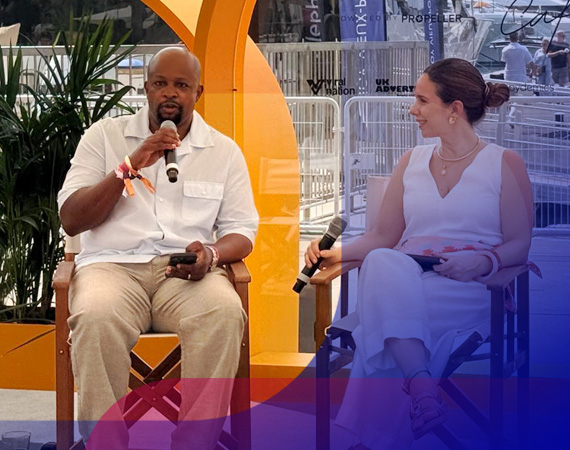
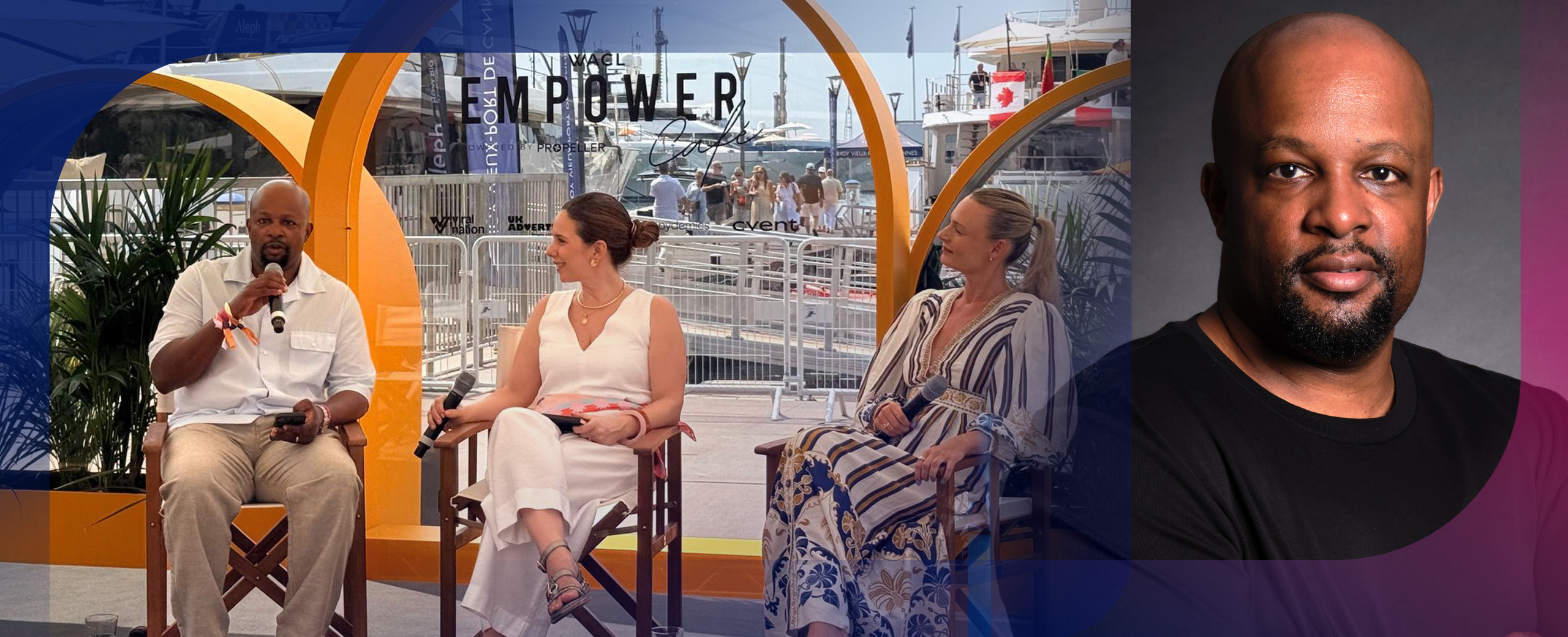
Insights from the panel I moderated, ‘When the Game Ends, What Lasts?’ showed that brands and sponsors need to prioritize creating new entry points into sport.
According to Laura Pinnell, Vice President for Consumer Group, Europe & Middle East, NBA, the best way to do this is by ensuring there are multiple touchpoints that people all over the world can connect with, in a format that appeals to them. This could be through gaming, merchandise, or localized social channels.
Meanwhile, Giovanna Bressane Gomes, Marketing Vice President (CMO) for Home Care LATAM at Unilever, argued that brands should use big sporting moments to start brand-led movements. Giovanna reminded me of the importance of finding the human truth in sporting events and using them as a catalyst for something bigger.
Short and Long-Term Impact is a Balancing Act
Moments like the World Cup or NBA finals are great for creating instant impact.
Brands can take advantage of the virality of these events or sponsorships to secure headlines and expand reach, but (and it’s a big one) they shouldn’t see this as the end goal. Rather, it’s merely a play in the long game that is building brand affinity.
Long-term impact, after all, is what drives loyalty and ultimately sales. And this isn’t built through one-off campaigns but by maintaining consistency across every touchpoint, from tone of voice on social media to how execs show up on panels.
Crucially, brands must also ensure they’re relevant to the event or that they have a legitimate reason for being there. If they don’t, customers will see right through and write them off as being inauthentic.
Proving Effectiveness is Table Stakes
Every brand has the same goal: to move people to take action. And it’s imperative that they can track and measure that action.
There’s a lot of pressure on marketers to prove the impact of their efforts, especially when it comes to sports, given how competitive and expensive this arena is. However, this data isn’t just for the benefit of CFOs; it’s essential for understanding how customers engage with your brand.
Gathering feedback in exchange for something that’s of value to the customer, such as exclusive content or live premium experiences, is an important part of the process.
Data is essential to better understand customers. Do they associate your brand with a specific team or event? What piques their interest? What puts them off? And crucially, what pushes them to take action?
Leadership Is Changing – and AI’s Leading the Charge
This wouldn’t be a 2026 Cannes takeaway post if I didn’t mention AI and what particularly interested me is how AI is changing talent and recruitment.
One of the main points I argued on the panel ‘The Talent Advantage: Why the Companies Winning Tomorrow are Rethinking Leadership Today’ is that leaders need to take a proactive approach to educating employees on AI use.
It’s incredibly important that they set up sessions that not only show employees how to use AI, but also explain how and why the company is adopting AI. Doing this fosters an environment of trust and curiosity.
The theme of curiosity emerged a few times in this discussion, with fellow panellists, Lori Goode, Chief Marketing Officer at Index Exchange, and Advertising Futurist Tameka Kee, citing it as an attribute teams should look for when hiring.
No one’s an AI expert yet, so it’s important that candidates demonstrate humility and a desire to learn and experiment. These soft skills are extremely valuable, but far more difficult to teach than the technical skills hiring teams focus on during interviews.
It All Comes Down to Asking the Right Questions
If one thing was clear from my experience at Cannes 2026, it’s that brands and marketers need help finding workable solutions more than ever.
They want to know how to extend brand moments into loyalty. What the future of leadership looks like and how AI is changing the skills they look for when hiring. Importantly, they also want to know if their marketing efforts are delivering.
If you fall into this category, get in touch to see how MarketCast can help you understand whether your campaigns are breaking through. Our team is more than ready to help!