


While many Americans experience being a caregiver for a family member at some point in their lives, these depictions of work, family, and care are seldom shown and rarely portrayed accurately in movies and streaming series, according to a new research study from MarketCast and New America’s Better Life Lab, an organization focused on policy and narrative change.
According to the MarketCast study of streaming audiences, more than half of adults surveyed (55%) have experienced or are experiencing work, family, and caregiving challenges, with 43% expecting to experience such challenges in the next five years. These life events can range from caring for newborn children to caring for an aging family member.
Below are some key takeaways from the study exploring the different challenges people face in managing family, caregiving, and work, and how they would like to see these themes reflected in mainstream entertainment.
1. Audiences want to see “positive” caregiver roles in TV and streaming.
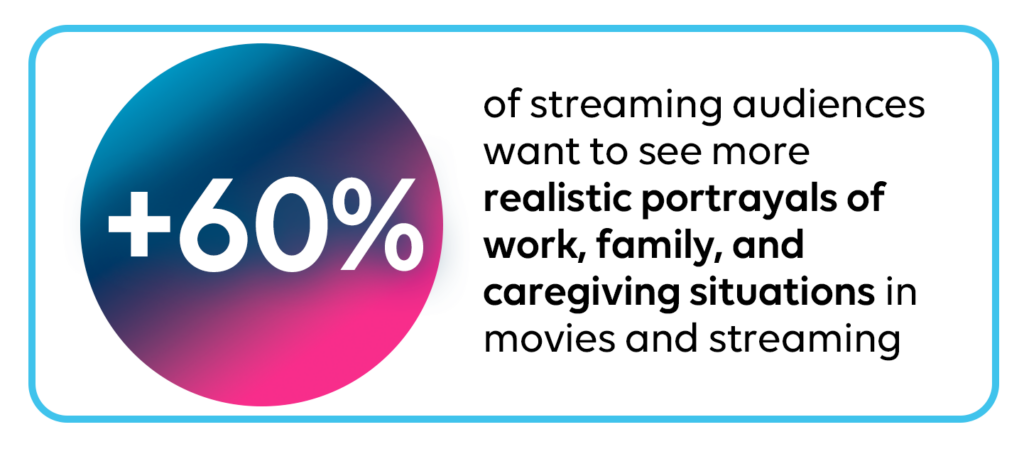
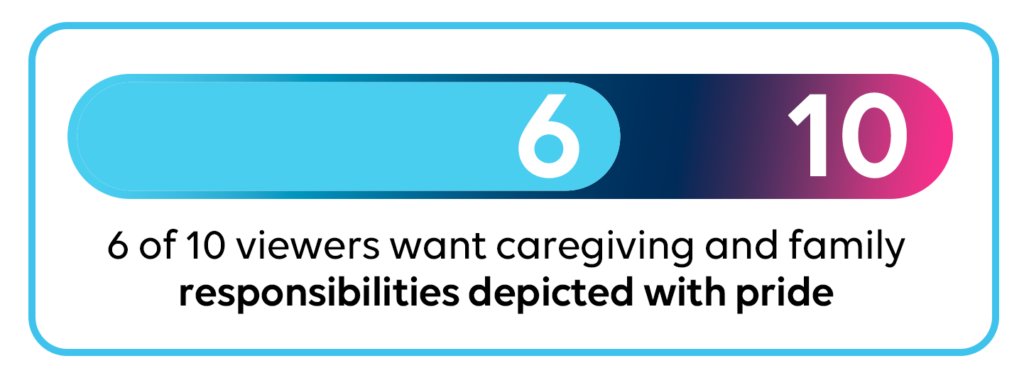
Typically, popular culture and news media focus on caregiving challenges and burdens, with a focus on the financial, physical, and mental tolls of caring for loved ones, and the biases that parents – especially mothers – face in workplaces. While this might reflect reality for some, this isn’t the part of caregiving that audiences want to see. According to streaming audiences surveyed by MarketCast, more than 60% of respondents said they would like to see storylines and characters proudly depicting their family responsibilities caring for children and loved ones rather than apologizing for them.
Additionally, Gen Z and Millennials respondents said they would like to see more characters and scenarios showing how people can find and access caregiving resources, like paid family and medical leave, affordable childcare, and elder and disability care.
Looking at specific entertainment TV and streaming content, fans of HBO Max’s (now Max) comedy-drama series, Insecure, ranked the show strong for Advocacy (+269%) thanks to the raw and honest emotional response the storylines and characters elicited with viewers. Many fans on social media said they found the series relatable, sharing that it helped them navigate their own emotions, and felt that it succeeded in portraying characters who balanced work and relationships in an authentic and meaningful way.
2. There needs to be more content showing how people can manage work, family, and caregiving with gender equity.
Not surprisingly, most child and elder care responsibilities in real life and TV still fall to women, who are more likely to leave the workforce to support aging parents and children – nearly 2x the rate of men (19% of Females vs. 11% of Males). As a result, women, particularly parents, are more likely to experience financial hardship due to a caregiving responsibility.
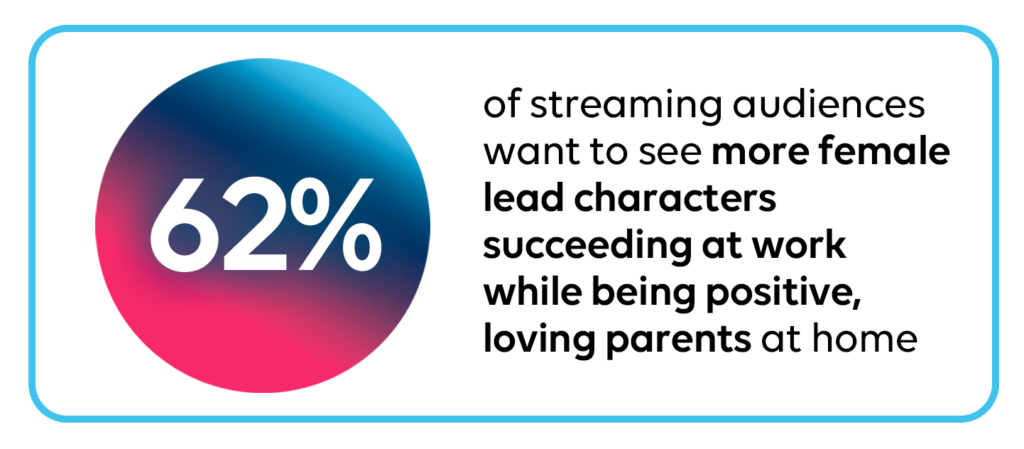
According to the MarketCast and New America study, Gen Z and Millennials want to see more authentic and aspirational portrayals of men providing hands-on care (to children and aging parents) while also balancing work-life responsibilities. They also want to see more female characters succeeding at work and still being positive and loving parents at home.
The Hulu drama series Fleishman Is In Trouble stood out among respondents as a show that skillfully depicts parenting challenges amidst a family crisis. Resonating with audiences, the show illustrates complex subjects, like single parenting and how divorce affects children, resulting in above-average social Advocacy score (+105%) compared to the Drama genre average.
3. All generations relate to the struggle of navigating family and personal life.
Gen Z stood out as the generation most likely to report experiencing some form of a life event linked to managing family responsibilities, with 59% saying they have already experienced one. This was followed by Millennials at 55% and Gen X women at 56%. However, Gen X and Millennials are more likely to face the challenge of caring for aging parents and children simultaneously, making them part of the “sandwich generation,” which impacts a quarter of U.S. adults today.
An example of a series that succeeds in depicting balancing work, life, and parenting was NBC’s hit drama, This Is Us, which ranked second for Social Urgency (95%) in the Drama category – this metric looks at the portion of social conversation coming from audiences both sharing intent to watch and advocating for others to watch a program. Many fans of This is Us said it led them to discuss balancing their own relationships with their partners amid working and parenting, the importance of family communication, recognizing unhealthy relationships, and the impact of divorce/reconciliation on a family.
As the Boomer generation ages, and their children and grandchildren take on the responsibility for caregiving, it makes sense for studios to consider weaving these storylines and characters into new movies and series.
To download additional highlights from this report, click this link: newamerica.org/rescriptingaudiencestudy.